

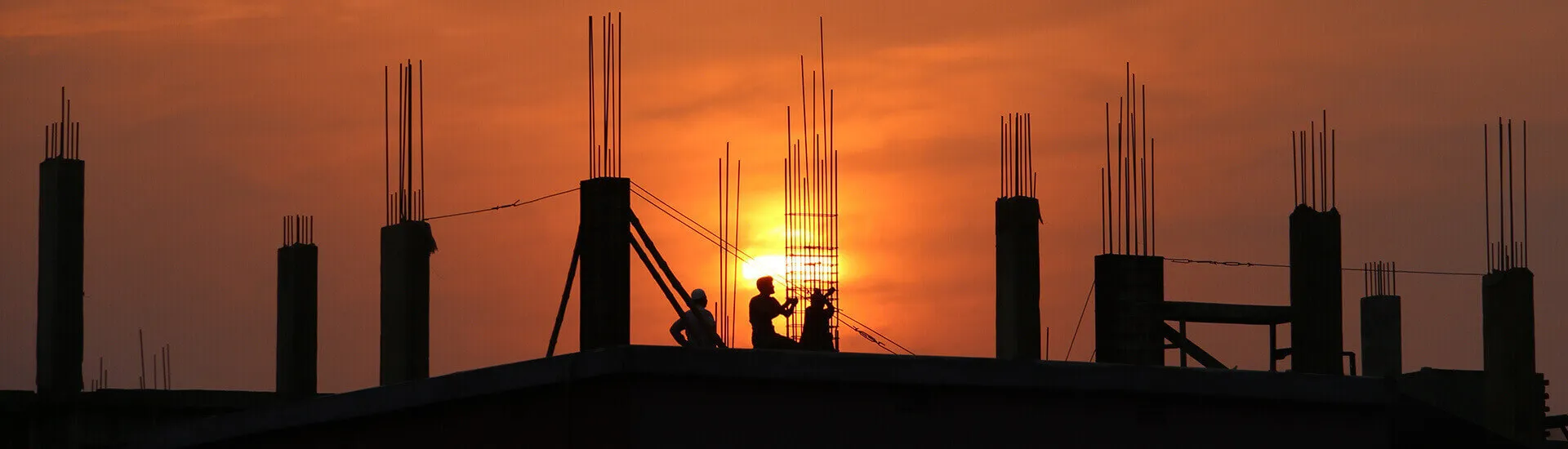
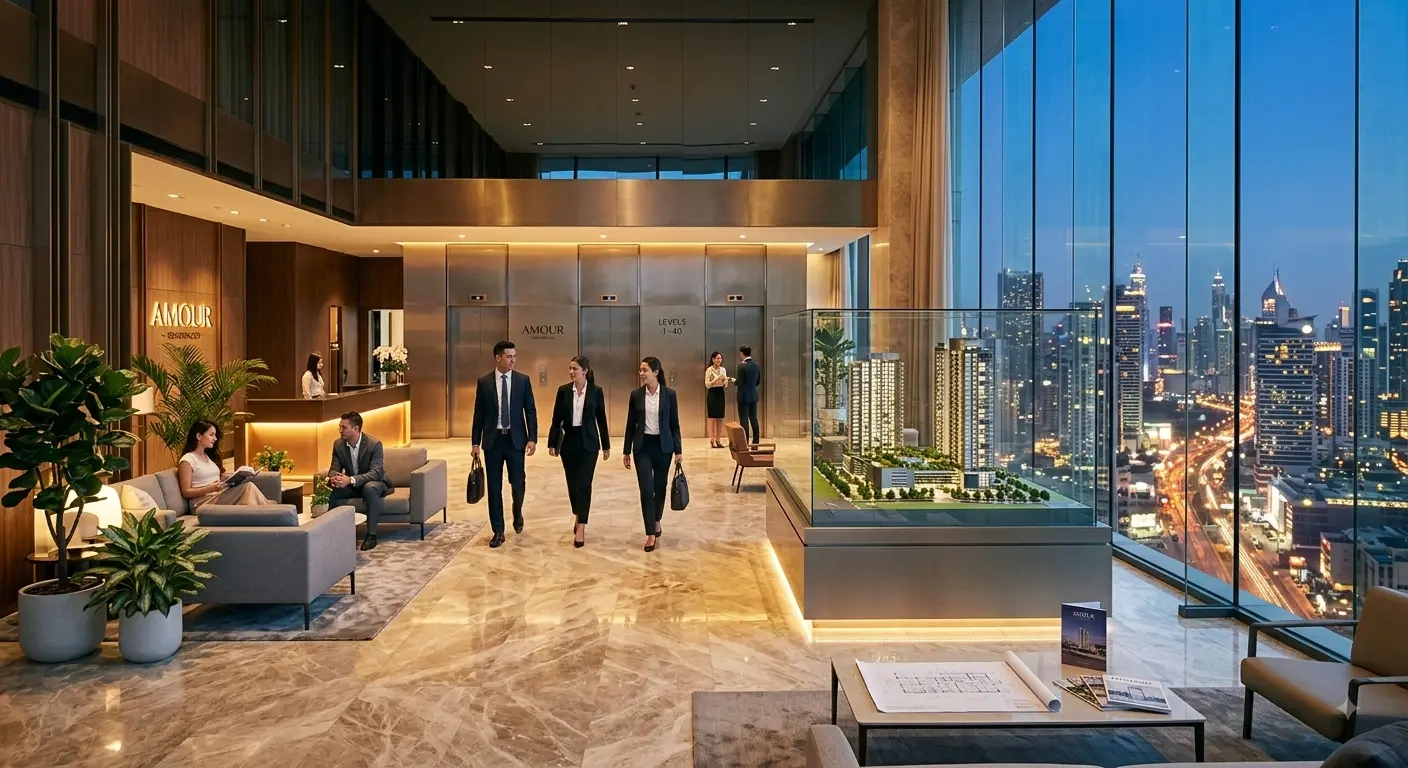
The actual mechanics of the Amour residential project involve a focus on structural integrity and material longevity. We aren’t talking about trendy finishes that will look dated in five years. We are talking about Grade-A construction materials that resist wear and tear while maintaining a high aesthetic standard.
The actual mechanics of the Amour residential project
One of the biggest failures in modern luxury builds is the HVAC system. Many developers install standard units and hide them behind a fancy ceiling. That’s a mistake. True luxury requires zonal climate control and advanced air filtration systems that keep the indoor environment pristine regardless of the city’s smog. When you’re paying a premium, you shouldn’t have to deal with a bedroom that’s five degrees warmer than the living room.
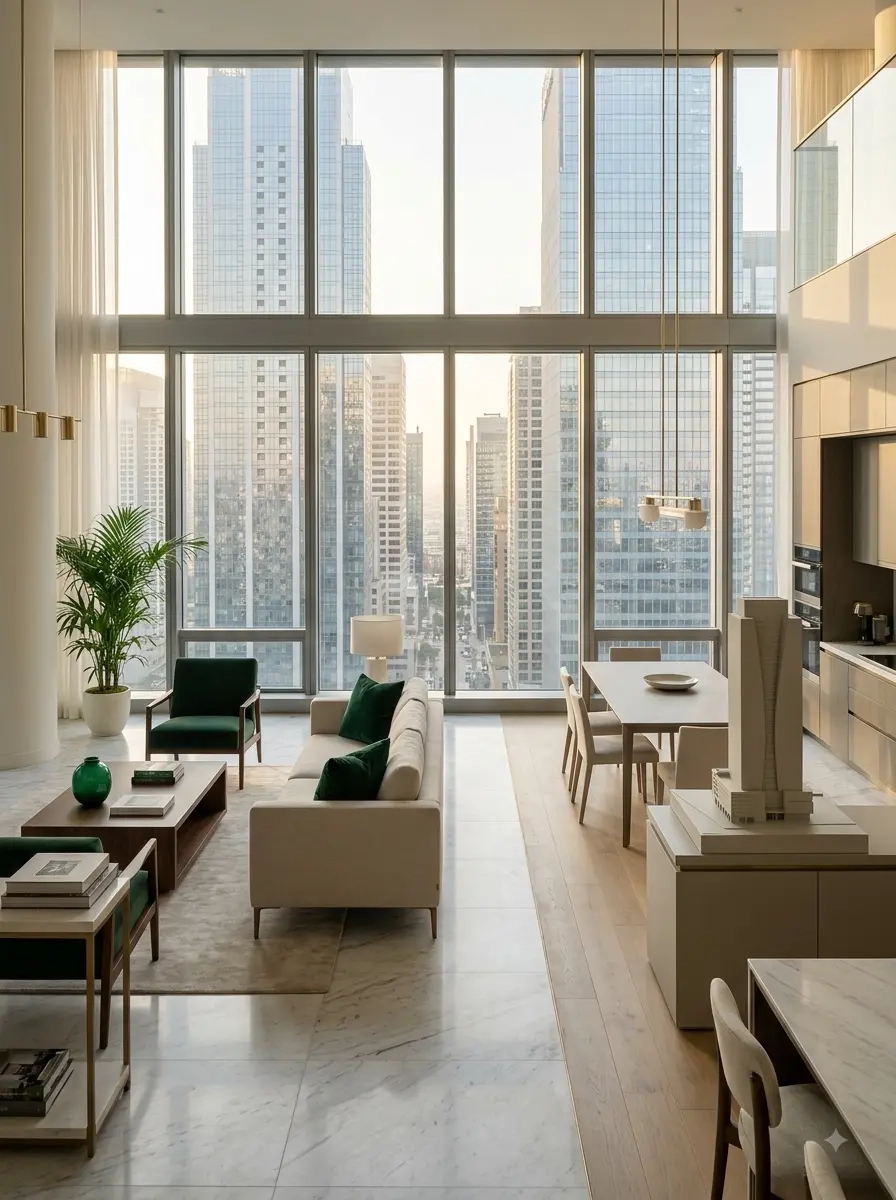
The floor-to-ceiling height is another point where developers often cut corners to squeeze in an extra floor. In this development, the vertical space is prioritized. This doesn’t just make the room feel larger; it allows for recessed lighting and architectural detailing that you simply can’t achieve in a standard 9-foot ceiling. It changes the entire psychology of the space from a “unit” to a “home.”
Is the price per square foot justified?
Price per square foot is a blunt instrument. It doesn’t account for usable area versus dead space. If a layout has a massive, useless hallway, the price per square foot looks lower, but you’re paying for wasted air. We focus on net usable area. When you analyze the cost of the residential development process, the value comes from the quality of the finishing and the amenity density. If the building provides a concierge service that actually handles your life rather than just opening doors, that adds tangible value to your daily routine.
Does the location actually drive the ROI?
Location is a baseline, not a strategy. Being in a “prime area” is expected. The real investment alpha comes from micro-location. This means being on the correct side of the street to avoid noise pollution or having an unobstructed view that cannot be blocked by future construction. We’ve seen property valuations jump significantly when a project secures a specific zoning advantage or proximity to a new infrastructure hub. The goal is to buy into a location that is currently undervalued but has a clear path to gentrification or commercial growth.
The difference between a luxury home and a high-end apartment is the level of autonomy the owner has over their environment. If you can’t control the light, the sound, and the temperature, you aren’t living in luxury; you’re just renting a fancy box.
Solving the friction of urban luxury living
Most people assume that a gym and a pool are the peak of amenities. They aren’t. Those are commodities. The real friction in luxury living is security and privacy. In a high-rise, the challenge is creating a sense of seclusion without feeling isolated. This is why private elevator access and sound-dampening walls are non-negotiable. If you can hear your neighbor’s television, the “luxury” label is a lie.
We also have to talk about parking. In most cities, parking is an afterthought. A luxury project should treat the parking bay as an extension of the home. This means wider spaces, better lighting, and electric vehicle (EV) charging stations as a standard, not an upgrade. The transition from the car to the front door should be seamless and secure. Any hitch in that process creates a negative psychological imprint on the homeowner.
Then there is the maintenance aspect. A common mistake is for developers to hand over a building to a low-cost facility management team. The result is a rapid decline in the building’s curb appeal. To maintain asset value, the management must be as high-end as the architecture. This involves proactive preventative maintenance and a staff that understands the needs of a high-net-worth individual. If the elevators are slow or the lobby is dusty, the brand of the building suffers, and so does the resale value.
Can you customize the interiors without delaying delivery?
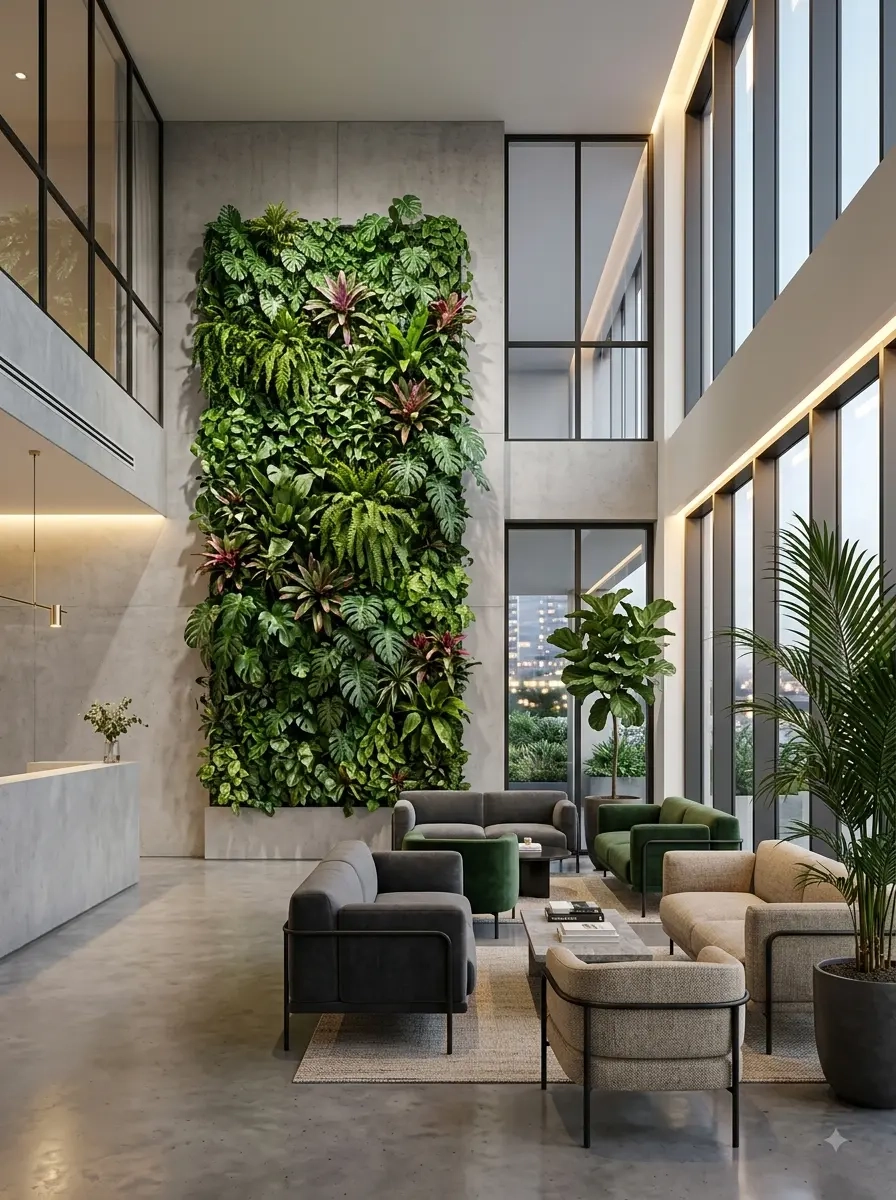
Standard customization often leads to project delays and budget overruns. The smart way to handle this is through a modular customization framework. Instead of letting a buyer change every single tile, the developer provides a set of curated palettes. This ensures the interior design remains cohesive and the construction timeline stays on track. It’s about offering bespoke options within a controlled environment. If you want a completely custom build, that’s a different conversation, but for most, a curated choice is more than enough.
Is the sustainability aspect just marketing?
Too often, “green” is just a label used to charge more. But sustainable architecture actually saves money in the long run. Double-glazed windows and thermal insulation reduce energy bills and improve the living experience. Rainwater harvesting and solar integration aren’t just for the environment; they reduce the operational costs of the building. When the common area maintenance (CAM) charges are lower because the building is efficient, the property becomes more attractive to long-term investors. This is functional sustainability, not a marketing gimmick.
The investor’s perspective on luxury residential assets
If you are looking at this as an investment, you need to stop thinking about rental yields and start thinking about equity growth. Luxury properties don’t always provide the highest immediate yield, but they offer downside protection. In a market downturn, the ultra-luxury segment is usually the last to drop and the first to recover because the buyer pool is less sensitive to interest rate hikes.
How does this compare to commercial investments?
Commercial assets typically offer higher yields but come with higher vacancy risks and more complex tenant management. Residential luxury, especially in a project like this, offers a more stable asset class. You aren’t dealing with corporate lease renewals every three years. You are dealing with end-users who value the lifestyle. For a diversified portfolio, having a mix of commercial properties and high-end residential units is the best way to balance cash flow and wealth preservation.
What is the risk of oversupply in the luxury segment?
There is always a risk of a bubble, but the “luxury” label is often applied to mediocre projects. There is almost always an undersupply of true luxury. Most developers build “luxury-lite” which is just a standard apartment with a fancy name. When a project actually delivers on architectural excellence and operational quality, it separates itself from the mass market. The risk of oversupply exists for the average, but for the exceptional, the demand remains constant.
Frequently asked questions
What makes this project different from other luxury developments?
It focuses on removing daily friction through superior acoustic engineering, zonal climate control, and high-density amenity integration rather than just adding surface-level decorations.
Is there a significant difference in maintenance costs for these units?
While absolute costs are higher than standard apartments, the use of sustainable materials and efficient systems reduces the long-term operational expenses and prevents rapid depreciation.
How is the privacy handled in a high-density luxury building?
Privacy is ensured through the use of private elevator access, advanced sound-dampening wall construction, and strategic floor planning that minimizes shared walls.
What is the expected timeline for capital appreciation?
Appreciation typically spikes at three key stages: upon completion of the structural shell, at the handover of the final finishes, and as the local micro-location matures through infrastructure growth.
Are the interior finishes customizable?
Yes, through a curated framework of design palettes that allow owners to personalize their space without compromising the building’s overall architectural integrity or delivery timeline.